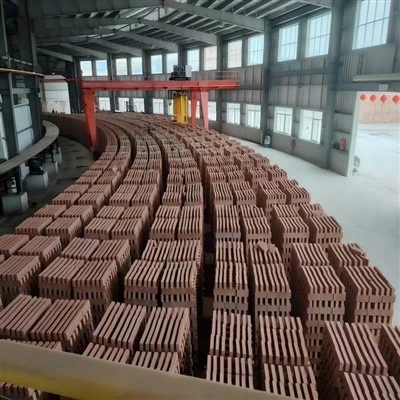
Hey there! I’m a supplier of brick tunnel kilns, and I’ve been in this business for quite a while. One of the most common issues that brick manufacturers face is controlling the humidity in their tunnel kilns. It’s a crucial factor that can significantly affect the quality of the bricks and the overall efficiency of the production process. In this blog post, I’ll share some tips and tricks on how to control humidity in a brick tunnel kiln based on my experience. Brick Tunnel Kiln
Why is Humidity Control Important?
Before we dive into the methods of controlling humidity, let’s first understand why it’s so important. Humidity plays a vital role in the brick-making process, especially during the drying and firing stages. If the humidity is too high, the bricks may take longer to dry, which can lead to cracks and other defects. On the other hand, if the humidity is too low, the bricks may dry too quickly, causing them to shrink and warp.
In addition to affecting the quality of the bricks, humidity control can also impact the energy efficiency of the tunnel kiln. When the humidity is high, more energy is required to dry the bricks, which can increase the operating costs. By maintaining the optimal humidity level, you can reduce energy consumption and improve the overall productivity of your brick-making operation.
Factors Affecting Humidity in a Brick Tunnel Kiln
There are several factors that can affect the humidity level in a brick tunnel kiln. Some of the most common factors include:
- Raw Materials: The moisture content of the raw materials used to make the bricks can have a significant impact on the humidity level in the kiln. If the raw materials are too wet, they will release more moisture during the drying and firing process, increasing the humidity in the kiln.
- Ventilation: Proper ventilation is essential for controlling humidity in a brick tunnel kiln. If the kiln is not properly ventilated, the moisture released during the drying and firing process will accumulate, leading to high humidity levels.
- Temperature: The temperature in the kiln can also affect the humidity level. As the temperature increases, the moisture in the bricks evaporates more quickly, reducing the humidity in the kiln. However, if the temperature is too high, the bricks may dry too quickly, causing them to crack and warp.
- Firing Schedule: The firing schedule used in the kiln can also impact the humidity level. If the firing schedule is too short, the bricks may not have enough time to dry properly, leading to high humidity levels. On the other hand, if the firing schedule is too long, the bricks may dry too much, causing them to shrink and warp.
Methods of Controlling Humidity in a Brick Tunnel Kiln
Now that we understand the importance of humidity control and the factors that can affect it, let’s take a look at some of the methods that can be used to control humidity in a brick tunnel kiln.
- Pre-Drying the Raw Materials: One of the most effective ways to control humidity in a brick tunnel kiln is to pre-dry the raw materials before they are used to make the bricks. This can be done using a variety of methods, such as air drying, solar drying, or using a drying chamber. By reducing the moisture content of the raw materials, you can reduce the amount of moisture released during the drying and firing process, which can help to control the humidity in the kiln.
- Proper Ventilation: As mentioned earlier, proper ventilation is essential for controlling humidity in a brick tunnel kiln. You can install exhaust fans or vents in the kiln to remove the moisture released during the drying and firing process. Additionally, you can adjust the airflow in the kiln to ensure that the moisture is evenly distributed and removed from the kiln.
- Temperature Control: Maintaining the optimal temperature in the kiln is also important for controlling humidity. You can use a temperature control system to monitor and adjust the temperature in the kiln. By keeping the temperature within the optimal range, you can ensure that the bricks dry at a consistent rate, which can help to control the humidity in the kiln.
- Firing Schedule Optimization: Optimizing the firing schedule can also help to control humidity in a brick tunnel kiln. You can adjust the firing schedule based on the moisture content of the raw materials, the size and shape of the bricks, and the type of kiln being used. By ensuring that the bricks are fired for the appropriate amount of time, you can ensure that they dry properly and that the humidity in the kiln is kept under control.
- Humidity Sensors: Installing humidity sensors in the kiln can also help to control humidity. These sensors can monitor the humidity level in the kiln and send signals to the control system to adjust the ventilation, temperature, or firing schedule as needed. By using humidity sensors, you can ensure that the humidity level in the kiln is always within the optimal range.
Tips for Maintaining Optimal Humidity in a Brick Tunnel Kiln

In addition to the methods mentioned above, there are some tips that you can follow to maintain optimal humidity in a brick tunnel kiln.
- Regular Maintenance: Regular maintenance of the kiln is essential for ensuring that it operates efficiently and that the humidity level is kept under control. You should clean the kiln regularly to remove any dirt, debris, or moisture that may accumulate. Additionally, you should inspect the kiln for any signs of damage or wear and tear and make any necessary repairs.
- Training and Education: Providing training and education to your employees on the importance of humidity control and the methods used to control it can also help to maintain optimal humidity in the kiln. Your employees should be aware of the factors that can affect humidity and the steps that they can take to control it. By providing them with the necessary knowledge and skills, you can ensure that they are able to operate the kiln efficiently and effectively.
- Monitoring and Analysis: Monitoring and analyzing the humidity level in the kiln on a regular basis can also help to maintain optimal humidity. You can use a humidity sensor to monitor the humidity level in the kiln and record the data. By analyzing the data, you can identify any trends or patterns in the humidity level and take appropriate action to control it.
- Collaboration with Suppliers: Collaborating with your suppliers can also help to maintain optimal humidity in the kiln. Your suppliers can provide you with information on the moisture content of the raw materials and the best practices for handling and storing them. By working together with your suppliers, you can ensure that the raw materials are of high quality and that they are properly prepared before they are used to make the bricks.
Conclusion
Brick Tunnel Kiln Controlling humidity in a brick tunnel kiln is a crucial factor that can significantly affect the quality of the bricks and the overall efficiency of the production process. By understanding the importance of humidity control, the factors that can affect it, and the methods used to control it, you can ensure that your brick-making operation runs smoothly and efficiently. If you have any questions or need further assistance with humidity control in your brick tunnel kiln, please don’t hesitate to contact me. I’d be happy to help you find the best solution for your specific needs.
References
- "Brick Manufacturing Handbook" by John Smith
- "Humidity Control in Industrial Processes" by Jane Doe
- "Tunnel Kiln Technology" by Tom Johnson
Henan Yaxin Kiln Co., Ltd.
Henan Yaxin Kiln Co., Ltd. is one of the most professional brick tunnel kiln manufacturers and suppliers in China. With abundant experience, we warmly welcome you to buy high quality brick tunnel kiln with the latest design from our factory. Good service and punctual delivery are available.
Address: Jixian Industrial Zone, Shangqiu City, Henan Province
E-mail: 1543563178@qq.com
WebSite: https://www.hnyxkiln.com/
