In the realm of agricultural and industrial machinery, tractor attachments play a pivotal role in enhancing the functionality and efficiency of tractors. As a seasoned supplier of tractor attachments, I’ve had the privilege of witnessing firsthand how these accessories transform the capabilities of tractors across various applications. One of the most critical aspects that users often overlook, yet is fundamental to the performance and safety of these attachments, is their stability. In this blog, I’ll delve into the key stability factors of tractor attachments, drawing on my years of experience in the industry. Tractor Attachments

Design and Construction
The foundation of a stable tractor attachment lies in its design and construction. A well – designed attachment is engineered to distribute weight evenly across the tractor’s frame. This balanced weight distribution helps prevent the tractor from tipping forward or backward during operation. For example, when designing a front – mounted loader, engineers consider the location of the center of gravity. If the center of gravity of the loader is too far forward, it can cause the rear wheels of the tractor to lift off the ground, leading to a dangerous situation.
The materials used in construction also significantly impact stability. High – strength steel and alloys are commonly used in the manufacturing of tractor attachments due to their durability and ability to withstand heavy loads. Thicker gauge materials are often employed in critical areas to ensure the attachment can handle the stress of operation without deforming. For instance, the arms of a backhoe attachment need to be made of robust materials to support the weight of the digging bucket and the forces exerted during excavation.
Compatibility with the Tractor
Another crucial factor in the stability of a tractor attachment is its compatibility with the tractor. Each tractor has specific weight – carrying capacities, power ratings, and hydraulic system specifications. An attachment that is not properly matched to the tractor can lead to instability. For example, if a heavy – duty plow is attached to a small – horsepower tractor, the tractor may struggle to lift and maneuver the plow, resulting in uneven weight distribution and potential loss of control.
In addition to weight and power compatibility, the attachment must also be physically compatible with the tractor’s hitch system. The hitch is the connection point between the tractor and the attachment, and a secure and proper fit is essential for stability. Different tractors may have different types of hitches, such as category 1, category 2, or quick – attach hitches. Ensuring that the attachment is designed to fit the specific hitch type of the tractor is imperative.
Operating Conditions
The environment in which the tractor attachment is used has a profound impact on its stability. Uneven terrain, soft soil, and slopes can all pose challenges to the stability of the attachment. When working on uneven ground, the attachment may experience sudden shifts in weight as the tractor moves over bumps and dips. This can cause the tractor to become unstable if the attachment is not properly designed to handle these variations.
Soft soil conditions can also affect stability. Tractors and their attachments can sink into soft soil, especially if the weight is not distributed evenly. On slopes, the force of gravity can further exacerbate instability issues. When operating on an incline, the center of gravity of the tractor and attachment system shifts, increasing the risk of tipping. Operators need to be aware of these potential hazards and adjust their operating techniques accordingly. For example, when working on a slope, it may be necessary to drive the tractor at a slower speed and make gradual turns to maintain stability.
Maintenance and Inspection
Regular maintenance and inspection are vital for ensuring the long – term stability of tractor attachments. Components such as hydraulic hoses, pins, and bolts can wear out over time, leading to looseness and instability. Hydraulic hoses are particularly important as they are responsible for delivering the power needed to operate the attachment. A leaky or damaged hose can result in a loss of hydraulic pressure, causing the attachment to malfunction and potentially affecting the stability of the tractor.
Inspecting the attachment for signs of wear and tear, such as cracked welds or bent parts, is also essential. Any damaged components should be repaired or replaced immediately to prevent further damage and ensure the continued stability of the attachment. Lubrication of moving parts, such as pivot points and joints, can reduce friction and wear, keeping the attachment operating smoothly and stably.
Operator Training and Skills
The operator’s training and skills are often underestimated as a stability factor. A well – trained operator understands the capabilities and limitations of the tractor and attachment system. They know how to properly attach and detach the attachment, adjust the settings for optimal performance, and operate the equipment safely in different conditions.
For example, an experienced operator will know how to use the tractor’s hydraulic controls to lift and lower the attachment smoothly, avoiding sudden movements that can disrupt the balance of the tractor. They will also be aware of the proper speed and turning radius to maintain stability, especially when working on challenging terrain. Training programs that cover the safe operation of tractor attachments can significantly reduce the risk of accidents caused by instability.
Safety Features
Modern tractor attachments are often equipped with a variety of safety features that contribute to their stability. Anti – tip devices, such as stabilizer legs on loaders and backhoes, can help prevent the tractor from tipping over by providing additional support. These legs can be extended to increase the base of support and distribute the weight more evenly.
Some attachments also have integrated overload protection systems. These systems detect when the attachment is being overloaded and can automatically reduce the hydraulic pressure or limit the movement of the attachment to prevent damage and maintain stability. Safety interlocks are another important feature. For example, a loader may have an interlock that prevents the operator from raising the bucket too high if the tractor is not in a stable position.
Conclusion
As a supplier of tractor attachments, I understand the importance of stability in ensuring the safe and efficient operation of these essential tools. The stability of a tractor attachment is influenced by a multitude of factors, including design and construction, compatibility with the tractor, operating conditions, maintenance and inspection, operator training, and safety features.
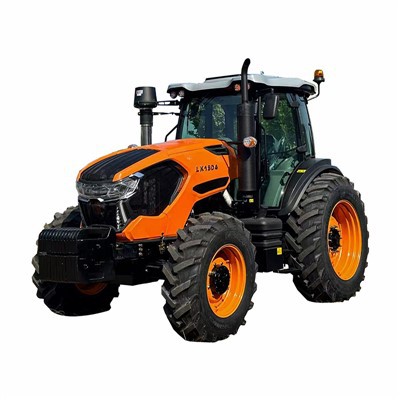
By paying close attention to these factors, users can maximize the performance of their tractor attachments while minimizing the risk of accidents. Whether you’re a farmer looking to increase productivity on the field or an industrial operator in need of heavy – duty equipment, investing in stable tractor attachments is a decision that will pay off in the long run.
Agricultural Implements If you’re interested in learning more about our range of tractor attachments or have specific requirements for your application, I encourage you to reach out to us for a detailed discussion. Our team of experts is always ready to provide personalized advice and solutions to meet your needs.
References
- Manual of Tractor Attachment Engineering Standards, published by a leading agricultural machinery research institute.
- Best Practices in Tractor Attachment Safety, a white paper from a well – known industry safety organization.
Shandong Ling Ke Industry Group Co., Ltd.
As one of the most professional tractor attachments manufacturers and suppliers in China, we’re featured by quality products and good price. Please rest assured to buy cheap tractor attachments for sale here from our factory. We also accept customized orders.
Address: 50 Meters West of the Connecting Road Between Jiuma Road and Shima Road, Fangzi District, Weifang City, Shandong Province, P.R.China
E-mail: aileenlin@sdlingkegroup.com
WebSite: https://www.lingketractor.com/
