Hey there! I’m a supplier in the digital sensor game, and today I wanna chat about whether digital sensors can be used in automotive applications. This is a topic that’s super relevant in the fast – paced world of cars, and I’m stoked to share my thoughts from the viewpoint of someone who deals with these sensors every day. Digital Sensor

Let’s start by getting a clear idea of what digital sensors are. In simple terms, digital sensors are devices that can detect changes in a physical quantity, like temperature, pressure, or light, and convert that information into a digital signal. This digital signal is then easy to process, transmit, and use in various systems. It’s like turning real – world information into a language that computers can understand.
Now, when we talk about automotive applications, there are so many areas where sensors are crucial. From the engine to the interior and even the safety features, sensors play a significant role in making cars run smoothly and safely.
First up, let’s look at engine management. Digital sensors are a game – changer here. For example, in determining the air – fuel ratio, a digital oxygen sensor can measure the amount of oxygen in the exhaust gases with high precision. It then sends this information to the engine control unit (ECU). The ECU uses this data to adjust the fuel injection in real – time. This is important because the right air – fuel ratio is essential for the engine to operate efficiently, burn fuel completely, and produce less harmful emissions.
Another key application is in measuring engine temperature. A digital temperature sensor can monitor the temperature of the engine coolant. If the engine starts to overheat, the sensor sends an alert to the ECU. The ECU can then take action, like adjusting the cooling fan speed or reducing engine power, to prevent damage to the engine. This constant monitoring and control can extend the engine’s lifespan and reduce the likelihood of breakdowns.
Moving on to the vehicle’s safety systems, digital sensors are everywhere. One of the most well – known safety features, the airbag system, relies heavily on digital sensors. Crash sensors are designed to detect sudden changes in acceleration. When a collision occurs, these sensors can quickly analyze the intensity and direction of the impact. They then send a signal to the airbag control unit, which deploys the airbags if necessary. This whole process happens in a split – second, and the accuracy of digital sensors is vital for the proper functioning of the airbag system.
Digital sensors are also used in anti – lock braking systems (ABS). Wheel speed sensors are digital sensors that constantly monitor the rotational speed of each wheel. If the sensor detects that a wheel is about to lock up during braking, it sends a signal to the ABS control module. The module then adjusts the braking force on that wheel, allowing the driver to maintain steering control and avoid skidding.
Let’s not forget about the comfort and convenience features in modern cars. Digital sensors are used in things like climate control systems. A temperature and humidity sensor can measure the conditions inside the car. Based on this data, the car’s climate control system can automatically adjust the temperature, fan speed, and air circulation to keep the interior comfortable. It can also detect if there’s too much moisture in the air and activate the defrost function to clear the windows.
When it comes to parking, digital sensors have made life a lot easier for drivers. Ultrasonic sensors are installed on the bumpers of cars. These sensors send out high – frequency sound waves and measure the time it takes for the waves to bounce back. By doing this, they can detect objects in the car’s path and provide the driver with visual and auditory warnings. This helps prevent minor collisions while parking, especially in tight spaces.
Now, you might be wondering about the advantages of using digital sensors in automotive applications compared to analog sensors. One big advantage is accuracy. Digital sensors are typically more accurate than their analog counterparts. They can provide a higher level of detail in the data they collect. For instance, a digital pressure sensor can measure pressure with a much smaller margin of error than an analog pressure sensor. This accuracy is crucial in automotive applications where precise data is needed for optimal performance.
Another advantage is reliability. Digital sensors are less susceptible to interference and noise. In a car, there are lots of electrical signals running around, and analog sensors can sometimes pick up this interference, leading to inaccurate readings. Digital sensors, on the other hand, use a binary code to transmit data. This makes it easier to filter out any noise and ensure that the data being sent to the control units is accurate.
Digital sensors are also more flexible. They can be easily integrated with other digital systems in the car. With the increasing trend towards connected cars and autonomous driving, the ability to communicate and share data between different sensors and systems is essential. Digital sensors can communicate with each other and the car’s central computer using standard communication protocols, like CAN (Controller Area Network) or LIN (Local Interconnect Network).
However, it’s not all sunshine and rainbows. There are some challenges when using digital sensors in automotive applications. One of the main challenges is cost. Digital sensors can be more expensive to manufacture than analog sensors. This is because they often require more advanced technology and components. For car manufacturers, this can increase the overall cost of production, which might be passed on to the consumers.
Another challenge is the complexity of the digital systems. With more digital sensors in the car, the overall system becomes more complex. This means that diagnosing and repairing faults can be more difficult and time – consuming. Mechanics need to have a deeper understanding of digital technology and use specialized diagnostic tools to troubleshoot problems.
Despite these challenges, the benefits of using digital sensors in automotive applications far outweigh the drawbacks. As technology continues to improve, the cost of digital sensors is likely to come down, and the complexity of the systems will become easier to manage.
In conclusion, digital sensors are definitely a great fit for automotive applications. They offer better accuracy, reliability, and flexibility, which are essential for the modern car. Whether it’s improving engine performance, enhancing safety, or adding comfort features, digital sensors are making cars smarter, safer, and more enjoyable to drive.
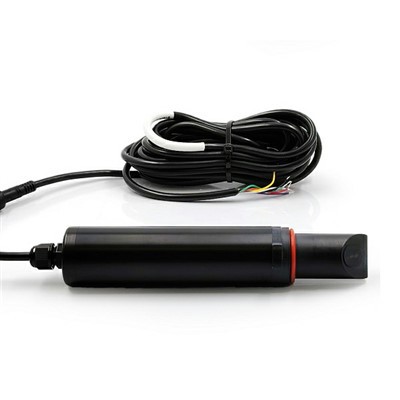
If you’re in the automotive industry and looking for high – quality digital sensors for your vehicles, I’d love to have a chat with you. We can discuss your specific needs, and I’ll be happy to show you how our digital sensors can enhance the performance and functionality of your cars. Reach out, and let’s start this exciting journey together!
Wireless Digital Dynamometer References:
- "Automotive Sensors Handbook"
- "Digital Sensor Technology: Principles and Applications"
- Publications from major automotive research institutes
Dalian Yheng Technology Co., Ltd.
Dalian Yheng Technology Co., Ltd. is one of the leading digital sensor manufacturers and suppliers in China, also supports customized service. We warmly welcome you to buy high quality digital sensor in stock here from our factory. Contact us for more details.
Address: F1605, NO.10 Huoju road, High-tech Industrial Zone, Dalian, China
E-mail: admin@dlyheng.com
WebSite: https://www.yhengphmeter.com/
