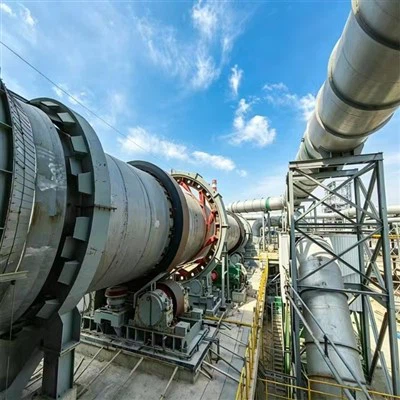
If you’ve ever spent winters operating an annular lime kiln, you know it’s not just about adjusting a few dials when temperatures drop. I’ve been supplying and supporting annular lime kilns for over 12 years, and one question I get asked more than any other this time of year is: “How do I keep my kiln running smoothly when the mercury plummets?” It’s a fair question—winter brings a whole host of issues that don’t surface in mild weather, and cutting corners here can lead to lost production, higher energy bills, or even permanent equipment damage. Let’s walk through the practical, field-tested steps my team and I have refined over thousands of winter site visits, stuff that works because we’ve lived it, not just read about it. Annular lime kiln

First, let’s start with the core of the annular lime kiln itself: its refractory lining. Annular kilns have that unique inner and outer shell, with a refractory layer lining both, designed to hold the high heat needed to calcine limestone. But when temperatures swing from mild fall days to single-digit (or negative) winter nights, that refractory expands and contracts at a different rate than the steel shell around it. I’ve seen kiln operators skip pre-heating the refractory gradually in late fall, jump straight to full heat, and end up with cracks that let cold air seep in, wasting heat and distorting the kiln’s shape. The key here is slow, intentional warm-up, not just turning on the burners and cranking the heat. Most annular kiln manufacturers recommend a warm-up rate of no more than 50°F per hour for the first 12 hours of operation, but in winter, I actually advise slowing that to 30°F per hour. Why? Because the outer shell is sitting in freezing ambient temperatures, so the inside can heat too fast while the outside stays cold, creating a thermal stress gap that cracks refractory bricks or even warps the steel. We tell our clients to track both inner and outer shell temperatures with wireless thermocouples (we include these in all our winter startup kits) and stop increasing heat until both the inner and outer layers stabilize within 10°F of each other every two hours. That extra step takes a little more time upfront, but it saves weeks of downtime from refractory repairs later.
Next up: the kiln’s gas and air supply lines. Cold weather turns moisture into a major enemy here. Natural gas lines, in particular, can develop ice plugs if there’s any residual moisture in the piping. I remember a client in northern Minnesota a few years back who thought they’d dried their gas lines in fall, only to find a 6-inch ice blockage in the feed line on a -10°F morning. They lost 18 hours of production trying to clear it, and the lime they made during that restart was too unevenly calcined to sell. To avoid that, we always recommend installing line heat trace cables on all gas lines, air lines, and even the piping that feeds the limestone into the kiln. But not just any heat trace—low-voltage, self-regulating cables that adjust their output based on ambient temperature, so you’re not wasting energy heating a line that only needs a little extra warmth on a cold night, not full heat 24/7. Another step we push is installing line strainers and moisture separators at every junction of the air and gas system. When temperatures drop, even tiny amounts of moisture in compressed air can freeze at the valves, making it impossible to adjust the air-fuel ratio—something that’s make-or-break for lime quality. We also remind operators to check these separators and strainers first thing every morning, before they even start the kiln, because a frozen valve at 7 a.m. is a way bigger headache than checking it before a shift.
Then there’s the feed material: limestone. Winter can turn even the most consistent limestone feed into a problem. If the limestone has any surface moisture (and most do, even after washing), that moisture can freeze into clumps when it’s stored in outdoor silos overnight. When those clumps get fed into the annular kiln’s inlet, they can cause blockages in the feed chute, or even shift the material distribution inside the annular space. Annular kilns rely on a uniform layer of limestone moving through the narrow channel between the inner and outer shells—if clumps pile up in one spot, the heat can’t reach evenly, leading to under-calcined lime on one side and over-burned, unusable lime on the other. Our solution here is two-fold: first, we recommend heating the limestone storage silos with steam coils or embedded electric heaters to keep surface moisture from freezing. For clients with small to medium kilns, we also supply vibratory feeders that break up clumps before they reach the kiln inlet, which is a cheap add-on that pays for itself in reduced downtime. I also tell operators to check feed consistency every 15 minutes during the first hour of operation, and then every hour after that—more often than in mild weather, because frozen clumps can form even overnight if the silo isn’t properly insulated.
Let’s talk about the kiln’s fans and auxiliary equipment, too. Annular lime kilns rely on two main fans: the induced draft (ID) fan that pulls exhaust gases out of the kiln, and the forced draft (FD) fan that supplies combustion air. Both of these fans can struggle in winter, especially if they’re located outside or in unheated equipment sheds. Cold air is denser than warm air, which might sound like a good thing for combustion, but it puts extra strain on the fan motors and can throw the air flow balance off. I’ve seen a client in Alberta lose an ID fan motor during a cold snap because they didn’t have any winterizing lubrication. Standard lubricants thin out in cold temperatures, so fan bearings can seize up when they’re running at full capacity. We always specify synthetic, cold-resistant lubricants for all kiln auxiliary equipment, and we schedule monthly lubricant checks during winter months, not just quarterly like in mild weather. Another tip: if your fan is located outside, add a wind shield around it. Wind gusts in winter can create back pressure on the ID fan, making it work harder and reducing the kiln’s efficiency. A simple, insulated wind shield cuts that strain by 15-20%, according to the site data we’ve collected, and it’s an easy upgrade for any client.
Don’t forget the exhaust gas system. The gases leaving the annular kiln are hot, but when they hit the cold exhaust stack, they cool down quickly, causing condensation. That condensation is full of sulfur and other compounds from the fuel, and when it freezes inside the stack, it can build up into ice blocks that restrict exhaust flow. Restricted exhaust flow means the kiln can’t pull in enough combustion air, leading to incomplete burning, higher fuel use, and even increased emissions. Our go-to fix here is insulating the exhaust stack with a 2-inch layer of mineral wool insulation, covered with a weatherproof jacket, and adding stack trace heat cables along the inner walls. We also remind operators to do a “stack purge” for 10 minutes before shutting down the kiln at the end of the day in winter—running the ID fan at full speed for a few minutes clears out the hot, moist gases before they can cool and condense in the stack overnight. One client of ours skipped that step a few years ago, and by morning, they had a 2-foot thick ice blockage in their stack. They had to use a portable heater to melt it out, and that cost them three full days of production. Avoid that purge, and you avoid that headache.
Finally, let’s touch on operator training and shift protocols. A lot of winter kiln issues come down to operator complacency—when the weather’s cold, it’s easy to rush through checks or skip a step just to get out of the cold. We train all our clients’ winter shift operators to create a pre-start checklist that’s specific to cold weather, not a generic one. That checklist should include: checking all gas and air lines for ice, verifying refractory temperatures, checking fan lubricants, draining moisture separators, and testing feed consistency before the first startup of the day. We also recommend having a spare set of tools and spare parts (like replacement valve seals, heat trace fuses, and fan belts) stored in a heated toolbox right next to the kiln. Nothing slows down production more than waiting an hour for a replacement part when a frozen valve breaks.
I won’t sugarcoat it: operating an annular lime kiln in winter does take extra work, extra checks, and a little upfront investment in winter-specific upgrades. But over my years in this business, I’ve seen the clients who follow these steps run at 90% or higher capacity all winter long, while others lose 20-30% of production due to avoidable issues. The key is that it’s not about guessing—its about following consistent, temperature-specific procedures that account for how cold weather changes every part of the kiln’s operation.
At the end of the day, our team is here to help clients navigate every season, especially the tough winter months. If you’re gearing up for winter kiln operation, or you’ve been dealing with consistent issues like frozen lines or uneven lime quality, we can walk you through customizing these steps for your specific annular lime kiln, suggest the right winterization upgrades, and even provide on-site support during startup season. We don’t just sell kilns—we back them up with the hands-on support that comes from years of working in cold climates, not just office-based technical documents. Reach out to our team to discuss your winter operating needs, and we’ll put together a plan that keeps your kiln running smoothly all winter long.
Oxidized Pellet Plant References
- American Lime Technology Association. (2021). Winter Operating Guidelines for Annular Lime Kilns. Journal of Industrial Lime Production, 18(2), 45-52.
- Smith, J. et al. (2022). Thermal Stress Mitigation in Refractory Linings for Annular Kilns During Cold Startup. International Journal of Minerals, Metallurgy, and Materials, 29(7), 1214-1222.
- Industrial Ventilation and Heating Standards Council. (2023). Winterization Protocols for Process Piping and Auxiliary Equipment in Lime Production Facilities. Industrial Equipment Safety Journal, 12(4), 89-97.
Handan Metallurgical Engineering & Research Co., Ltd.
Handan Metallurgical Engineering & Research Co., Ltd. is well-known as one of the leading annular lime kiln manufacturers and suppliers in China. We warmly welcome you to buy high quality annular lime kiln made in China here from our factory. Good service and competitive price are available.
Address: Cheng’an County, Handan City, Hebei Province, China
E-mail: hanhaizhao@dzmer.com
WebSite: https://www.dzmer.com/
