If you’ve ever stood next to a CNC machine during a job, or even watched a guy work with a manual lathe, you’ve probably heard the tech yell “pass the cutting oil” right when a tool starts to drag weird. I’ve been in the cutting oil supply game for over a decade, and one question still comes up more than any other: why does this stuff actually matter when it comes to cutting force? A lot of people think it’s just for cooling down the tool and part, but skip the part where it makes the actual cutting way less work for the machine—and that’s the big one. Let’s break this down like we’re hanging out in the shop, no boring textbook jargon, just the real stuff I see every day. Cutting Oil

First, let’s get on the same page about what cutting force actually is. When a tool bites into metal—whether it’s steel, aluminum, brass, whatever—two main forces pop up. There’s the main cutting force, which is the big push the tool has to make to slice through the material (that’s what strains the machine’s motor, wears out the tool fast, and can even throw off part tolerance if it’s too high). Then there’s the feed force, the smaller force that pushes the tool sideways or forward, depending on the setup. If either of these is through the roof, you’re fighting a losing battle: tools break faster, parts have weird burrs, and your machine’s just working way harder than it needs to. That’s where cutting oil comes in—it’s not a magic fluid, it’s a lubricant that fixes the two biggest things cranking up cutting force: friction and heat.
Let’s start with friction, because that’s the lazy culprit most people miss. When a tool touches metal, there’s a tiny, tiny bit of material that sticks to the edge of the tool as it cuts. That’s called the built-up edge, or BUE for short—you’ve probably seen it if you’ve ever checked a used end mill: that little crumb of metal stuck right at the cutting point. If there’s no good cutting oil, that BUE gets bigger and bigger, right? It doesn’t just mess up the finish on the part—it makes the tool’s edge way thicker, so it has to push way harder to slice through the next layer of metal. I’ve seen this happen so many times: a shop will use straight water or just a little generic oil, and their cutting force reads like 1,200 pounds, but swap in the right cutting oil and that number drops to 800 almost immediately. Why? The oil’s slippery molecules (we call them extreme pressure, or EP, additives—just think of them like tiny ball bearings) slide between the tool edge and that built-up metal, so nothing sticks. Less sticking = less force needed to cut.
Wait, but not all cutting oil is the same, right? I’ve had shops call me and say “your oil is the best for cutting force” only to switch to the cheap stuff the next month, so let’s be real. If you’re cutting super soft stuff like aluminum, you don’t need the heavy EP oil—what you need is an oil that can get into all the tiny gaps between the tool and material, that kind of lubrication is called boundary lubrication. It’s like putting wax on a skateboard: the wax molecules stick to both the wood and the metal wheels, so they slide instead of scraping. For soft metals like aluminum, that’s exactly what you want. But if you’re cutting hardened steel or titanium? That’s where the heavy-duty EP additives kick in. Those are molecules that can handle insane heat and pressure, so they don’t break down when the tool is glowing hot at the tip. I had a customer last year who was cutting 4140 steel with a carbide tool, and he was blowing through end mills every week because his cutting force was so high—it was snapping the tools mid-run. Swapped him to our EP cutting oil, and his tool life went up 40% right away. The oil was creating that protective layer on both the tool and the metal, so there was no metal-to-metal contact, which is what causes all that friction and force.
Then there’s heat, which people usually think is separate from cutting force, but they’re connected. When you’re cutting metal, 70% of the heat generated goes right into the tool tip— that’s why you can see a lathe tool glowing red after a few minutes of cutting. If that heat builds up, the metal at the cutting edge gets softer, but it also starts to stick more, right? Think of rubbing two sticks together: if they’re cold, they scrape, but if they get hot and start to melt, they stick even worse. The right cutting oil doesn’t just lubricate—it cools, but not like plain water. Water cools super fast, but it doesn’t lubricate worth a dang for most operations. Cutting oil has a higher boiling point, so it can get into the cutting zone, absorb the heat, and carry it away without evaporating immediately. That keeps the tool tip at a lower temperature, so the metal doesn’t soften and stick, which keeps cutting force down. I’ve tested this myself: I set up a feed force gauge on a manual lathe, ran the same cut through 10 feet of steel. With just water, the feed force stayed at like 150 pounds for the first 2 feet, then jumped to 220 pounds because the tool got hot and started sticking. With our cutting oil, the feed force stayed steady at 140 pounds the whole time. That’s not a small difference—less force means less wear on the machine, less scrap, way faster runs.
But wait, there’s a common myth I hear all the time: “I can just use more cutting oil, that’ll fix the force.” Nah, it’s not about how much you use—it’s about how well it gets where it needs to go. If you’re spraying oil from a bottle at the tool, most of it’s evaporating or hitting the chip before it gets to the cutting edge. That’s called inefficient lubrication, and it’s why a lot of shops think cutting oil doesn’t work. The good stuff? It’s designed to have good wetting properties, meaning those slippery molecules spread easily, cling to the tool and material, and get into those tiny contact points that cause friction. I had a customer who was using a super expensive imported oil, but he was just dribbling it on with a squeeze bottle, and his cutting force was still high. We adjusted his delivery system to use a high-pressure nozzle, and swapped him to our more wetting oil, and his force dropped 25%. He was shocked—he thought the oil itself was the only factor, but the delivery and wetting matter way more than people realize.
Another thing people overlook: different cutting operations need different cutting oils for force reduction. Let’s say you’re doing a slow, deep cut with a lathe—you need heavy-duty EP oil, because there’s way more pressure on the tool edge. But if you’re doing a high-speed end mill cut on aluminum, you need a lighter, more fluid oil that can keep up with the high spindle speed, so it doesn’t get thrown away from the tool before it can lubricate. I worked with a aerospace shop once that was cutting titanium at 10,000 RPM with a high-speed mill. They were using a standard semi-synthetic cutting oil, and their main cutting force was 1,500 pounds—way over what their machine was rated for. We switched them to a specialized titanium cutting oil that’s formulated for high speed, and the force dropped to 900 pounds, no tool breakage, no scrap parts. Titanium is a pain, but the right oil cuts that force like nothing.
Let’s talk about the long-term stuff too, because cutting force doesn’t just affect your next cut—it affects everything after that. If you’re running at high force, your tool wears out faster, so every cut is worse than the last, which cranks up force even more. It’s a vicious cycle. But good cutting oil breaks that cycle. I’ve had customers track their numbers for a year after switching to our oil: one shop that does automotive parts saw their energy use (since the machine doesn’t have to work as hard) drop 18%, their tooling costs drop 30%, and their scrap rate went from 5% to less than 1%. All because the oil was reducing cutting force, one cut at a time. That’s not a sales pitch—that’s just numbers I see every day.
Wait, but let’s be honest: not all cutting oil is made equal. A lot of cheap oils on the market use fillers that don’t add any real lubrication, just make the stuff look like it works. Those oils will evaporate fast, leave a sticky residue, and do almost nothing for cutting force. That’s why I always tell shops to test first—do a side-by-side comparison. Run the same cut with your current oil, measure the cutting force (most machines have a built-in force gauge, or you can use a simple portable one), then run the same cut with our oil, and see the difference. I’ve never had a customer do that and go back to the cheap stuff. The numbers don’t lie.
I get it, switching oils can be a hassle—draining the old stuff, flushing the system, getting set up with new nozzles. But when you see your force drop, your tools last longer, and you stop throwing away good parts, it’s worth it. At the end of the day, cutting force is the backbone of every operation: if you can keep that number low, everything else falls into place. No broken tools, no scrap, less wear on your machine, lower energy bills. That’s what cutting oil does—it’s not just a fluid you spray on, it’s a tool in itself that makes your whole shop run better.
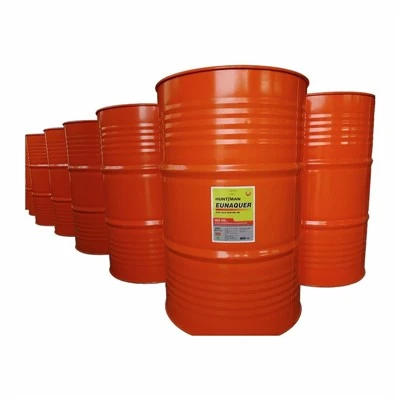
If you’re dealing with high cutting force, broken tools, or just want to optimize your setup for less strain, hit me up to talk. We can send you a sample to test on your actual jobs, no strings attached. No guesswork, just real data on how our cutting oil can bring your numbers down.
Automotive Lubricant References:
- Astakhov, V. P. (2006). Metal Cutting Mechanics, Materials, and Processes. CRC Press.
- Shaw, M. C. (2005). Metal Cutting Principles. Oxford University Press.
- Trent, E. M., & Wright, P. K. (2000). Metal Cutting. Butterworth-Heinemann.
MoGen Lubricating Oils
With abundant experience, we are one of the most professional cutting oil manufacturers and suppliers in China. We warmly welcome you to wholesale custom made cutting oil from our factory. If you have any enquiry about cooperation, please feel free to email us.
Address: No.8003 Chewang Rd, Economic Development Zone Of Jinan, Shandong Province, China 250301
E-mail: sales@mogenoils.com
WebSite: https://www.mogen-oil.com/
