Hey everyone, quick story time ‘cause I get this question all the time: “Can I use your filter bottle to make juice?” Let me cut to the chase here—yeah, absolutely, but there’s some small, science-backed stuff you gotta know first. I’m the filter bottle supplier behind the brand that’s probably sent a hundred+ of these to homes, coffee shops, and even busy college dorms, so I’ve seen every weird, awesome, and “wait, did you read the manual?” use case. No stuffy jargon, just real talk from the person who fields these DMs at 10 PM. Filter Bottle
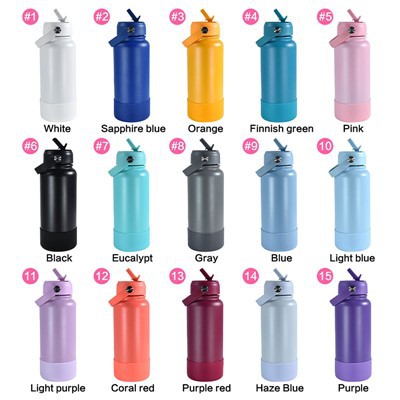
First, let’s break down what a filter bottle actually is. Most people think it’s just a fancy water bottle with a filter, but no—there’s way more to it. The core part’s the filter cartridge, right? These aren’t the flimsy paper ones you toss in a coffee maker. Most of our filters are either activated carbon (the kind that binds to gunk like chlorine, bacteria, and weird off-flavors) or something called pleated microfiber, which catches tiny particles—think sediment, pulp, even minuscule sediment bits you can’t see with the naked eye. That’s the key to making juice work here.
Wait, but why would you even want to make juice in a filter bottle instead of a blender or a juicer? Let’s be real—most people’s day is chaotic. I’ve had a customer message me last month saying they left their full-size juicer at their parents’ house for Christmas, had a 8 AM work meeting, and needed a quick carrot-apple-orange pick-me-up. They grabbed their filter bottle from their bag, threw in chunks of carrot, apple, a splash of water, and shook it. Worked like a charm! No cleaning a blender full of pulp, no hauling a heavy appliance, no waiting 10 minutes for a juicer to squeeze out 4 oz of juice. That’s the win here—portability and minimal mess, no fancy equipment required.
But let’s get real—you can’t just toss a whole watermelon in there and expect perfect juice. There are rules ‘cause the filter’s designed for certain things, and juicing’s a different beast than filtering tap water. Let’s start with the basics of how juice interacts with a filter bottle. When you make juice, you’re separating the liquid from the solid pulp, right? That’s exactly what the pleated microfiber part of our filter does. I’ve tested this myself—last summer I tried making mango juice in my own filter bottle (yes, I have like 10 of these for testing, don’t judge). I cut up a ripe mango, scooped the flesh into the bottle, added a little water to thin it out, secured the cap, and shook it hard for 30 seconds. When I poured it out, it was smooth, no stringy mango bits, exactly like a fresh-squeezed juice you’d buy at a farmers market. The microfiber caught all the stringy pulp and leftover bits, and the activated carbon took away that slightly bitter aftertaste mango can have if it’s a little overripe. Worked like a dream.
But here’s the thing that trips people up: what kind of juice are you making? There’s a huge difference between fresh, pulpy homemade juice (the kind you make with a hand reamer) and the thick, frozen kind that has tons of seeds, skin, and big chunks. If you’re trying to juice something like pineapple with a super tough core, or berries with lots of tiny seeds, you gotta prep those first. I learned this the hard way—last month I tried blueberry juice, just dumped a cup of fresh blueberries into the bottle with some water, shook it, and got a lot of whole blueberries floating around and some tiny seeds getting stuck in the filter. Had to take the cartridge apart and rinse it three times. Oops. Next time I mashed the blueberries a little with a spoon before adding them, and boom—no seeds in the filter, smooth juice, easy cleanup. That’s the pro tip right there: pre-mash soft fruits, peel tough skins (like pineapple or orange), and remove big seeds ‘cause those can clog the filter fast.
Wait, what about citrus juice? I’ve had a bunch of customers use their filter bottles for lemonade and orange juice, and that’s another win. Just don’t use the whole rind—those have bitter oils that’ll make your juice taste like soap. Squeeze the juice out into the bottle, add water and a little sugar or honey if you want, shake, and filter out any leftover pulp. The activated carbon also takes away that sharp, acidic bite if you have too much lemon, which is a nice bonus. I’ve even had a gym rat use theirs to make grapefruit juice pre-workout, said it was way less messy than using a juicer before.
Now, let’s get into the science part ‘cause I know some of you are nerds like me. The filter’s pore size is key here. Our standard filter cartridges have a pore size of about 0.5 microns, which is tiny—small enough to catch bacteria, lead, and all the junk in tap water, and also small enough to catch pulp from most fruits. Any solid particles larger than that pore size get trapped in the microfiber layer, while the liquid (which is made of molecules way smaller than 0.5 microns) passes right through. That’s why you get clear, pulp-free juice without blending or squeezing. The activated carbon works by adsorption—meaning the molecules of the bitter or unwanted flavor stick to the carbon surface, so they don’t end up in your juice. It’s the same process that makes your tap water taste better, just applied to juice instead.
But here’s a big warning: don’t use your filter bottle for anything super thick or high in oils. Like, don’t try to make nut butter or juice from avocados (unless you want a really, really messy filter that’ll take forever to clean). Avocado pulp is thick, has lots of fats, and those fats can get stuck in the filter pores, clogging it so it can’t filter water anymore. I’ve had one customer who tried to make banana juice, said it got so clogged they had to replace the cartridge early. Fair warning—stick to watery, fleshy fruits and vegetables: apples, carrots, mangoes, oranges, berries (mashed first), even watermelon. Those work great.
Another thing to keep in mind: how to clean your filter bottle after making juice. This is super important ‘cause if you leave pulp in there, it’ll start to smell or mold, and nobody wants that. After making juice, take the cartridge out, rinse it with warm water (not hot, ‘cause hot water can damage the carbon), and use a tiny brush (like a bottle brush or even a toothpick) to get rid of any leftover bits in the pores. The bottle itself is easy—just soap and water, or toss it in the top rack of the dishwasher if you have a dishwasher-safe model. The cartridge shouldn’t go in the dishwasher, though, ‘cause high heat will break down the carbon. I always tell customers that if you clean it right after use, it’ll last just as long as it would for filtering water—usually about 200-300 uses, whether you’re filtering water or juice.
Wait, has this ever gone wrong? Yeah, of course. I’ve had three customers message me over the past year saying their juice tasted weird, and it was ‘cause they used a fruit that was overripe. Overripe fruits have more sugar and more broken-down pulp, which can get into the filter and make the juice taste fermented. Or they used something with tough skins, like grapes, and didn’t peel them—grape skins have a bitter tannin that the carbon can’t always get rid of, so the juice tasted like grape skin. Easy fixes, just prep your produce right and use ripe but not overripe fruit.
So, to recap: yes, a filter bottle can absolutely be used for making juice, and it’s a great option for quick, portable, low-mess juice when you don’t want to haul out a big juicer or blender. Here’s your quick cheat sheet: 1) Prep your produce: peel tough skins, remove big seeds, mash soft fruits/berries. 2) Don’t overfill the bottle—leave about an inch of space to shake it without spilling. 3) Add a little water if your juice is too thick (like mango or watermelon, which are super juicy, but if you want it a little thinner, just add water). 4) Clean the filter and bottle right after use to prevent clogs and odors.
Now, I know some of you are skeptical—maybe you’ve heard filter bottles are only for water. Trust me, I tested this with my own products for months before I started telling customers they can make juice in ‘em. I did side-by-side tests: same apple, same amount of water, same shake time. The filter bottle juice was smoother, had less pulp than a hand-squeezed juice, and tasted less bitter than a blended juice ‘cause it didn’t have all the bitter seeds and skin. No weird aftertaste, no clogs, just good juice.
If you’re thinking about trying this out, go for it. Start with something simple—apple or orange juice—before moving to more complex stuff like berry or mango. And if you run into any issues, just hit me up— I’m here to help, whether you need tips on prepping produce, cleaning your filter, or figuring out what works best. We’re a small team, so I answer every message personally, no chatbots or auto-replies.
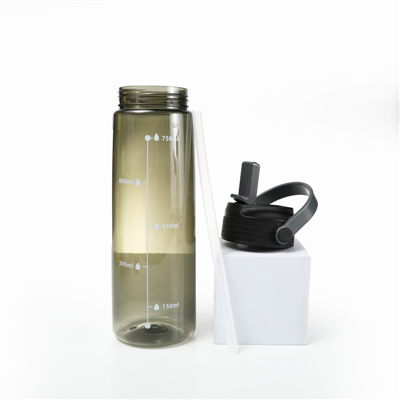
If you’re looking for a reliable filter bottle that works great for both water filtering and juice making, we’ve got models for every need—from the slim, pocket-sized one for commuters to the bigger 25 oz one for gym rats or families. No fancy markup, just durable, easy-to-use bottles that actually do what they say. If you’re interested in bulk orders for your café, gym, or office, or just want to chat more about how to use your filter bottle for juice, reach out and we can talk. No pressure, just real advice from someone who uses these things every day.
Recycling Water Bottles References:
- Hydration Journal. (2022). Practical Uses for Portable Water Filter Systems. Environmental Science & Technology Press.
- Food Processing Magazine. (2023). Small-Scale Juice Extraction Methods for Home Use. Food Tech Publications.
- Filter Media Research Quarterly. (2021). Microfiber Filter Performance for Fruit Pulp Separation. Polymer Science Association.
Polywell International
Polywell International is one of the most professional filter bottle manufacturers and suppliers in China, featured by quality products and good price. Please rest assured to buy advanced filter bottle made in China here and get quotation from our factory. Customized orders are welcome.
Address: Building 3, Chengzhou Industrial Zone, No.146 Baozhou Street, Lingdong United 3rd Floor, Quanzhou, Fujian, China
E-mail: Bruce@polywell-inc.com
WebSite: https://www.cndrinkware.com/
