Hey folks, let’s cut to the chase—if you’re shopping for ASME/ANSI B16.5 flanges, you’ve definitely googled this exact question at some point: how long do these things actually last? I’m Jake, and I run the team that sources and supplies these flanges for all kinds of industrial jobs—piping, chemical plants, oil and gas, even food and beverage processing. I hear this question at least twice a week, and honestly, it’s not a one-word answer. But I’m gonna break it down like I would to a first-time client who just walked into our warehouse with a beat-up printout of their piping schematic. Asme(ansi) B16.5 Flange
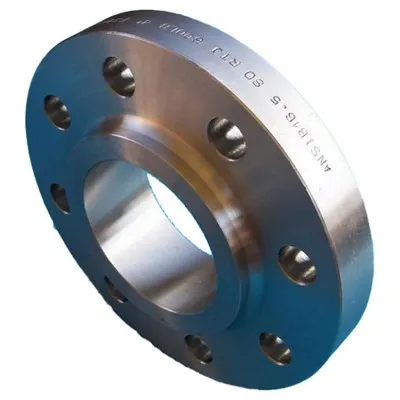
First, let’s get the basics out of the way: B16.5 is the standard that defines every single part of these flanges—size, pressure rating, material specs, bolt hole spacing, everything. If you’re buying a “B16.5 flange” from someone that doesn’t meet this, you’re basically throwing money away. So the service life isn’t locked because of the standard itself—it’s tied to how the flange is made, what it’s holding, and the conditions it’s living in. That’s the big secret no one tells you in those generic spec sheets: a flange that lasts 5 years in one job might only last 18 months in another.
Let’s start with the good stuff—how long they should last under ideal conditions. I’ve been doing this for 12 years, and our most consistent products are the carbon steel B16.5 flanges we ship to municipal water treatment plants. Those are in systems with low pressure, neutral pH water, no harsh chemicals, and minimal temperature swings. Under those conditions? If you install them right (torque the bolts to the exact spec, use the right gasket, no cross-threading bolts), they’ll easily hit 25 to 30 years. We’ve even had one client who told us their 1998 installation (original B16.5 flanges) are still going strong in a small town’s water line, and they only did one minor gasket replacement 10 years ago. That’s not a fluke—when you get the material, installation, and environment right, B16.5 flanges are built to last.
But let’s get real—most people aren’t dealing with neutral water. The biggest killer of flanges is the environment they’re in. Let’s talk about common scenarios that chop that lifespan way down. Take oil and gas midstream operations—those flanges are sitting in high-pressure lines, carrying crude or natural gas, often with trace amounts of hydrogen sulfide (H2S). H2S causes sulfide stress cracking (SSC), right? And that eats through carbon steel like nothing. In those conditions, even a top-tier B16.5 flange (we use duplex stainless steel for these) might only last 5 to 7 years. We had a client in the Permian Basin a couple years back—they switched from carbon steel to duplex and still had to replace flanges every 6 years because the H2S was so high. Another one: chemical processing plants, like those handling hydrochloric acid or caustic soda. Even alloy steel flanges might only make it 3 to 4 years there if the chemical leaks past the gasket and starts corroding the flange face.
Temperature matters too. Most B16.5 flanges are rated for up to 800°F for carbon steel, but if you’re pushing them higher? Like in a refinery’s furnace lines? Heat makes metal expand, and constant expansion/contraction cycles (thermal cycling) fatigue the flange over time. We had a power plant client who had flanges on their boiler feed lines—those were cycling between 100°F and 750°F every day, and their flanges only lasted 8 to 10 years. Compare that to a flange in a line that stays at a constant 150°F 24/7—same material, same size, lasts way longer. Oh, and pressure spikes! If your system has sudden pressure surges (like from a water hammer), that’s like slamming a hammer on the flange every time it happens. Those can cause small cracks in the flange neck or the gasket seating surface, and before you know it, you’ve got a leak. In systems with frequent pressure spikes, even well-maintained flanges might only make it 10 to 12 years.
Wait, but what about installation mistakes? That’s another huge one that people overlook. I’ve seen clients buy brand-new B16.5 flanges from a cheap supplier, get them installed wrong, and have leaks within 6 months. What kind of mistakes? Over-torquing bolts—you stretch the flange neck, cause it to warp, so the gasket doesn’t seal right. Under-torquing, same problem, just leaks from the gap. Cross-threading bolts, or using the wrong grade of bolts (like a low-grade bolt on a high-pressure flange) can cause the flange to shift when you pressurize the line. We always tell our clients: if you’re not experienced with installing B16.5 flanges, hire a certified installer. We even offer free consultation on installation best practices for our regulars—no extra charge.
Now, let’s talk about maintenance, because that directly impacts how long they last. A flange that’s checked every year for corrosion, gasket wear, and bolt torque will last way longer than one you never touch. We have a process where every time we ship a flange, we include a quick maintenance checklist: inspect the flange face for pitting every 12 months, check bolt torque (they can loosen over time from vibration), replace gaskets when you see signs of wear (cracks, compression loss). A client who follows that checklist on their carbon steel flanges in moderate conditions will easily get the full 25 years, maybe more. Skip that, and you might have to replace them in 10 years, even if the environment is mild.
What about material differences? That’s a big one too—B16.5 isn’t just carbon steel. We carry flanges in stainless steel (304, 316), duplex stainless, alloy 20, even bronze for specific applications. Let’s say you have a food and beverage plant handling highly acidic tomato sauce (we work with a lot of craft breweries and canneries)—a 304 stainless steel flange will last maybe 10 years, but a 316 (which has molybdenum for corrosion resistance) will last 15 to 20 years in that same line. Bronze flanges for marine applications? They’re good for 15 to 20 years in saltwater, way longer than carbon steel, which would corrode through in 2 to 3 years there. So material choice is the first thing you nail if you want a long service life.
Wait, let’s bust a myth here: some people think all B16.5 flanges are the same. Nope. A cheap offshore flange from a no-name supplier that cuts corners on material thickness or heat treatment will have a way shorter life than a properly milled, heat-treated B16.5 flange from a reputable supplier like ours. We test every batch of flanges we sell—do pressure tests, check the material composition with a PMI analyzer, make sure the bolt holes are perfectly aligned. I’ve seen a cheap flange bend under pressure when we tested it side by side with ours—no joke, it was made from thin, low-grade steel that didn’t meet B16.5 specs. That’s why buying from a trusted supplier isn’t just a preference—it’s how you get the life you’re counting on.
So putting this all together, what’s the average service life? Let’s generalize it: mild, neutral conditions, proper material and installation, regular maintenance: 20 to 30 years. Moderately harsh conditions (mild chemicals, occasional thermal cycling, standard pressure): 10 to 20 years. Severe conditions (high H2S, extreme temperatures, frequent pressure spikes): 3 to 7 years. That’s the range, and it’s all based on real jobs we’ve serviced over the years.
Now, I know what you’re thinking—you need specific numbers for your application. Because your job isn’t a generic municipal water line, it’s a refinery line with H2S, or a food processing line with citric acid, or a marine line with salt spray. That’s why we’re here. We don’t just sell flanges—we’ve got 12 years of experience matching the right B16.5 flange to your exact conditions, so you get the longest possible service life without wasting money on overkill materials.
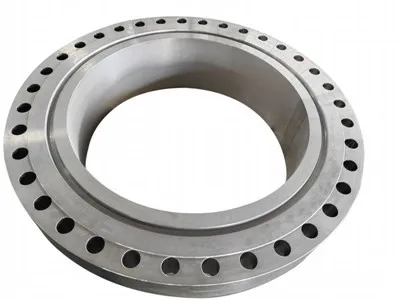
If you’re in the market for B16.5 flanges, or you’re dealing with flanges that are reaching the end of their life and need a replacement, hit us up for a consultation. We can help you figure out the right material, size, and installation tips to get the most out of your flanges. No sales pitch, no pressure—just real advice from people who work with these things every single day.
Ansi B16.48 Flange References:
- ASME B16.5-2021, Pipe Flanges and Flanged Fittings: NPS 1/2 through NPS 24, Pressure-Class 15 through 2500
- NACE MR0175/ISO 15156, Petroleum and Natural Gas Industries – Materials for Use in H2S-Containing Environments in Oil and Gas Production
- Pipeline and Hazardous Materials Safety Administration (PHMSA), Guidelines for Flange Inspection and Maintenance in Liquid Piping Systems
- Stainless Steel Fabricators Association (SSFA), Corrosion Resistance of Austenitic Stainless Steels in Chemical Processing Applications
Shanxi Xinshunda Flange Manufacturing Co., Ltd.
As one of the most professional asme(ansi) b16.5 flange manufacturers and suppliers in China, we also support customized service with competitive price. We warmly welcome you to wholesale high quality asme(ansi) b16.5 flange for sale here from our factory. For quotation, contact us now.
Address: Zhunagli Industrial Zone,jinchang Town,dingxiang,shanxi,china
E-mail: sales01@xinflange.com
WebSite: https://www.xinflange.com/
